Friday, 20 July 2018

Inspiring


A Woman's Guide to Living with Heart Disease

I was asked to review for the Nursing Times Journal.

What was it like?
This covers women and heart disease, I must confess I had no idea there was a difference to men and women’s symptoms. I learnt too that this was based on the authors blog – Heart Sisters blog which has attracted approximately 11 million views – that is impressive.
The author sets out how to recognise the early signs of heart attack, why women may delay going to seek treatment or advice to treating heart disease. This is written for woman by a woman.

What were the highlights?
This is written for woman by a woman and is a welcome voice. The first stages in the book I could relate to seemingly neurotic woman knowing something is wrong (we do know our bodies) to sometimes being misdiagnosed.
The personal accounts are interesting and thought provoking.
I am aware of Radiology discrepancy meetings within Trusts- the section on “are diagnostic errors in cardiology reported?” made me wonder and ask questions in the UK if this takes place? I wonder all too often in the UK are the health care settings looking at occupancy figures and targets too much.
This give the patient a lifeline and is an effective resource.

Strengths & weaknesses:
This is written in an easy to read guide/resource. The author is a graduate of Mayos Clinic Woman Heart Science and Leadership symposium for women with heart disease. This has been researched well, with up to date research and a useful glossary (if you are writing for patients understand this. The patients need to understand the jargon and medical terms- not all text book authors writing for patients realises this is important) this book links in with the authors blog – I have now signed up for this this book has made me want to know more.
Written in the states but is equally apt for the UK patient/reader.

Who should read it?
Anyone working in a Coronary disease setting within health care, Emergency Department staff, Ward staff, Medical Teams, and student nurses and doctors.





I was asked to review for the Nursing Times Journal.

What was it like?
This covers women and heart disease, I must confess I had no idea there was a difference to men and women’s symptoms. I learnt too that this was based on the authors blog – Heart Sisters blog which has attracted approximately 11 million views – that is impressive.
The author sets out how to recognise the early signs of heart attack, why women may delay going to seek treatment or advice to treating heart disease. This is written for woman by a woman.

What were the highlights?
This is written for woman by a woman and is a welcome voice. The first stages in the book I could relate to seemingly neurotic woman knowing something is wrong (we do know our bodies) to sometimes being misdiagnosed.
The personal accounts are interesting and thought provoking.
I am aware of Radiology discrepancy meetings within Trusts- the section on “are diagnostic errors in cardiology reported?” made me wonder and ask questions in the UK if this takes place? I wonder all too often in the UK are the health care settings looking at occupancy figures and targets too much.
This give the patient a lifeline and is an effective resource.

Strengths & weaknesses:
This is written in an easy to read guide/resource. The author is a graduate of Mayos Clinic Woman Heart Science and Leadership symposium for women with heart disease. This has been researched well, with up to date research and a useful glossary (if you are writing for patients understand this. The patients need to understand the jargon and medical terms- not all text book authors writing for patients realises this is important) this book links in with the authors blog – I have now signed up for this this book has made me want to know more.
Written in the states but is equally apt for the UK patient/reader.

Who should read it?
Anyone working in a Coronary disease setting within health care, Emergency Department staff, Ward staff, Medical Teams, and student nurses and doctors.

Monday, 16 July 2018

Thought provoking


What was it like?

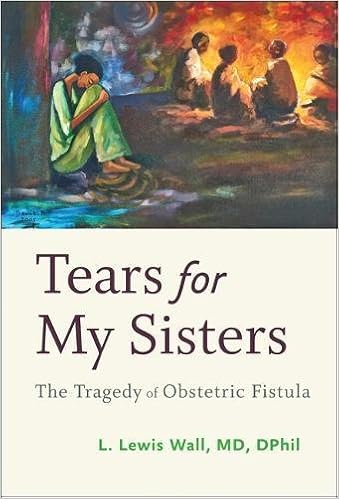
This is an incredibly powerful book, and at the same dreadful in that this is avoidable in low resource countries. The accounts of women who state obstetric fistulas as a living death. We often complain of our health service, but we are so lucky in the UK. This is a plea to ensure that suffering does not take place


What were the highlights? 


Written in a way that this is brought to life, outlining the history but more so the way forward to empower women in other countries and in doing this I hope lives will be saved and other lives improved- this is the 21st century no one should be suffering as some of the women are. In some of the poorer countries this is medieval- women ostracised form their communities and villages.

This highlights to the reader a grave plight that needs to be recognised and changed.


Strengths & weaknesses:


The author has researched this subject well he is a Professor in Anthropology as well as in Obs and Gynae so he well equipped to write this, the writing is good and although I knew little of this subject found the book easy to read.


The only weakness is the size of the font –  I wear reading glasses but needed a magnifying glass- perhaps the publishers could look at this – it could put readers off.


Who should read it?

All staff working in obs and gyne, also students to ensure they have insight into this problem, overseas charities who can make a difference.


Inspirational

Trouble with my Genes

I was asked to review this by the Nursing Times Journal


What was it like?

Twenty-one-year-old lady with a relationship of just four weeks is diagnosed with malignant bowel cancer. Sadly, she was not able to have chemo as the number of polyps meant that it was too risky and radical surgery had to take place and the result an ileostomy bag. This was bad enough but to hope that a relationship so early on would survive this.

This is Leanne’s journey and those close to her. This is written as a diary.


What were the highlights? 

The highlights were this was a real person’s experience warts and all, reality rather than someone trying to write about how brave someone was – and she was but it gives the reader the insight into this person’s mindset and those around her.

The care she received was second to none – all too often we read about negative aspects of care- the author could only speak highly.

What was interesting was that the author then passed the writing to friends and family including her boyfriend to give the carer and family experience something Leanne can look back on and realise she was not on her own. For her relationship with her boyfriend it was so poignant when he stated after she had come through this horrendous journey “our life together has started”


Strengths & weaknesses:

This was a well written easy to read diary type book of a real person who went through a terrible time but came out the other side with the support of the hospital, specialists, family and friends.

It is modern Leanne and her mother watch You Tube to gain experience of a girl changing and cleaning her stoma. In my day we gave patients leaflets.

There were no weaknesses.

Gives the reader hope if Leanne can do this we all can if faced with the same problems.


Who should read it?

Anyone who is working in this field of surgery who will care for these patients, student nurses and junior doctors, patients who are going through similar experiences along with their loved ones and family.


Friday, 6 July 2018

Sweet quartet of romance stories

Not Always a BridesmaidI always love to receive an email from Sharon Kleve and this was no exception

A quartet of romantic stories by Sharon Kleve and Jennifer Conner- just lovely at this time of year and so many wedding take place in the summer. Happy to say lots of romance and a bit of humour too.

Such sweet stories that you can enjoy and simply mad things that happen with weddings also.

Each of the stories uses characters from the others to intertwine these beautiful stories and friendships.

the plots are good and so well written - I have been a fan of both authors for a while now and they never disappoint.

So if you are looking for a great sunbed read this summer look no further.

Satire at its best

The Sellout


I was asked to review this by Nudge - well as satire goes this is as good as it gets. I was unsure when I first read this but got into this very quickly. This is witty and on the other side of the coin makes the reader think big time.

A black man brings back slavery and racial segregation in a "post-racial" country. Very apt when I knew a little about America race relations. I did ask myself how the author got away with writing this- but he did an won the coveted Man Booker prize.

Having just watched BBC 4 Black Nurses: Who Saved the NHS - I was shocked how people in Britain treated black people from our own commonwealth so this book for me was so thought provoking.

The author discusses some real uncomfortable truths, some reviews stated that  the author spent a lot of time ranting about race relations- I personally found this was apt and good on him for writing this. So readers get over this and read this hilarious but thought provoking story. 

This is a book I may not have picked up so thank you Nudge and the publishers for letting me review this.

Wednesday, 4 July 2018

Excellent Tool for Oncology Nurses


I was asked to review by the Nursing Times Journal

What was it like?

This is a text book for Oncology nurses, and many of them will prepare and administer cancer treatments and medications that will treat various cancers. What was surprising according to the author many staff are not aware of all sources of exposure to hazardous drugs. Staff need to identify risks and change practice. This latest edition equips nurses with the latest information to keep them safe in their working environments.

What were the highlights?

Well set out and well researched each chapter guides staff through surveillance, training, drug formulations, drug and post administration and importantly patient and family education (all too often a text book will outline everything, but the patient and family are either forgotten or not acknowledged). The chapters are easy to read and understand.
There are ten impressive pages of up to date references and authors with pharmaceutical and senior nurse backgrounds.

Strengths & weaknesses:

This is an excellent tool to enable staff to undertake risk assessments – although written for nursing staff working in the States this is equally relevant for Oncology nurses in the UK.
The authors advocate that safe handling of Hazardous drugs should be built in to the teaching plans for patients and relatives and ensure this is both verbal and in writing- this will then ensure effective and safe patient information and may assist staff in the community also.
Every time I went to look for an aspect of safe handling it was there – I then thought of policies this was there too ensuring these are written to be evidence based and easy to understand (and not 60 pages as I have witnessed in other areas). There are also templates to assist staff so that they are not reinventing the wheel or spending precious time away from their patients.

This will also help staff in CQC assessments in the UK, ensure risk assessments are carried out and ensure fewer drug errors will occur.

There were no weaknesses this is a well written research-based text book.

Who should read it?

Ward Manager, Clinical Nurse Specialists, nurses who administer oncology drugs, Trust Medical Safety Officers, Risk Managers, Pharmacists and nursing staff training in Oncology.

Powwerful and scary


What was it like?


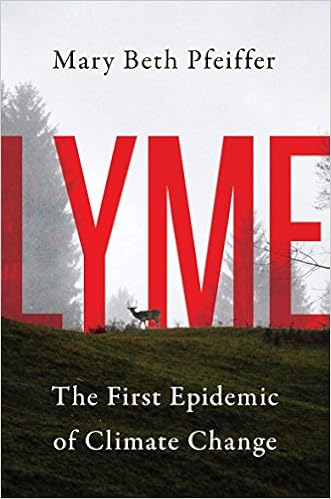
The author explores climate change – a wake up call for us all. Tick borne diseases and the battle to find treatments and to somehow fight what is affecting millions of people in the States and other countries. For readers in the UK this is possibly news to them, but the message needs to get out there as climates get warmer, ticks will breed where they would not have before.


What were the highlights? 


The highlights for me personally were the interviews with patients, specialists, and researchers around the world, this made this a reality and the author demonstrates the case for Governments, World Health Organisations and public health to do something before it is too late. The author clearly states that it is people and larger animals who will suffer. A simple bite can be fatal.

Frightening to think we managed to rid people of small pox, polio (although still prevalent in some countries is treatable) so many children I grew up with had callipers and suffered with diseases we thought had gone away and now something more deadly.

Frightening the author statement that we are ultimately to blame as we unleashed the lyme pathogen.

This is such an incredibly powerful book.


Strengths & weaknesses:


Well researched and beautifully written. The text is not overburdening to the reader. The argument is well presented and backed up with data. Very much a world-wide issue and now needs backing from the UK also. It urges the reader to be caring for the planet also we all have a part to play. The author is an investigative reporter and this shines through the writing and argument.

I found no weaknesses in this book.


Who should read it?


Pathology staff, clinical staff junior staff in training, patient advocates and researchers.